
Off-the-shelf CMS vs bespoke web platforms: why major brands choose custom infrastructure
Corporate web infrastructure must be evaluated through security, performance, integration, scalability and brand experience — not publishing convenience alone.

The decision is about a digital operating model, not a CMS name
A platform should support how content is governed, approved, integrated and measured across the organisation. The right choice is the one that can accommodate changing business needs without forcing a complete rebuild.
The right infrastructure is not only what launches today; it is what carries tomorrow’s business model without starting again.
When is an off-the-shelf CMS the right choice?
Standardised sites with limited integrations, familiar workflows and modest differentiation can benefit from mature themes and large plugin ecosystems. The trade-off is the need to manage updates, compatibility and a wider dependency surface.
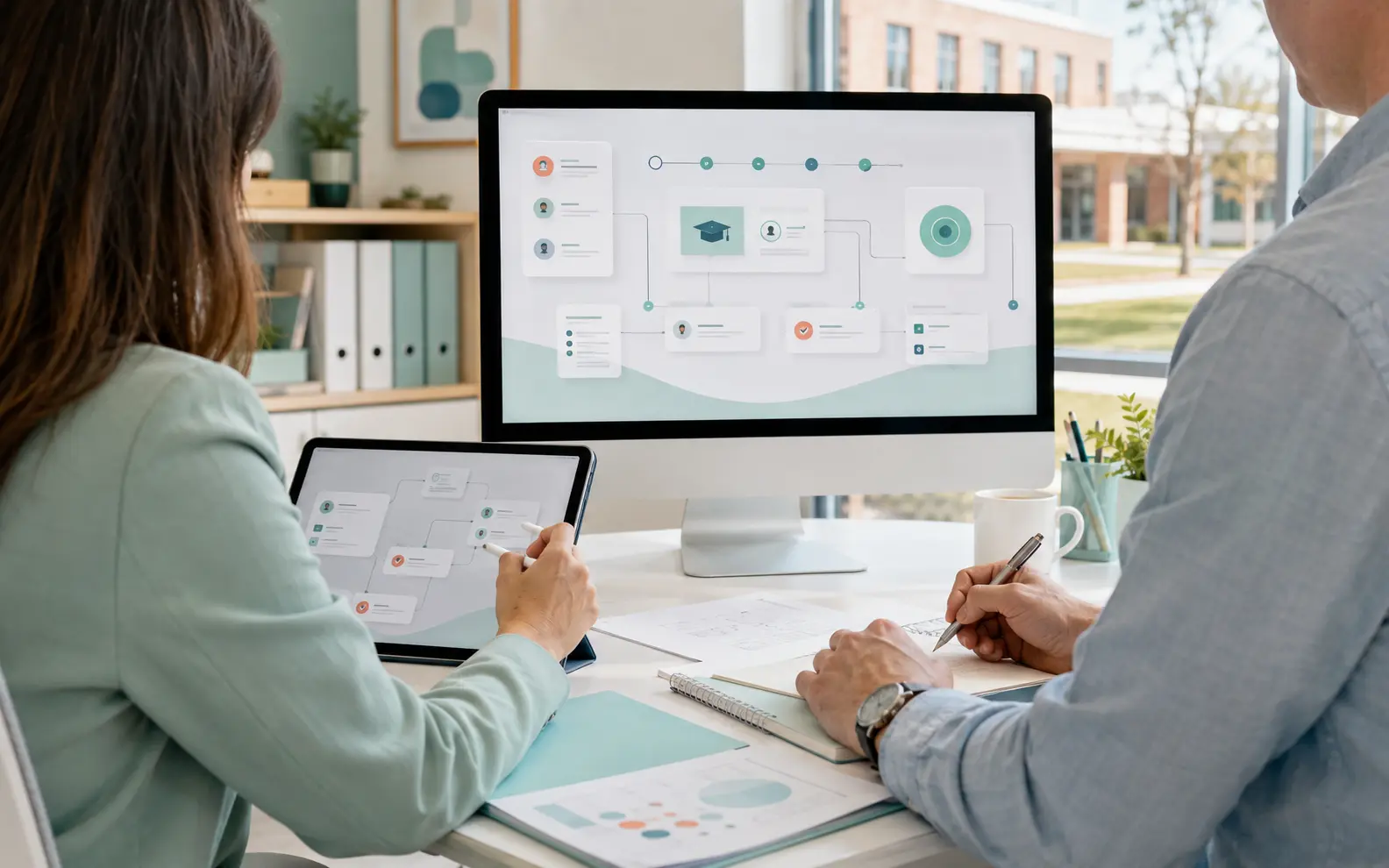
Enterprise websites go beyond publishing
Investor relations, customer transactions, multilingual content, CRM connections, applications and analytics turn the website into an operational platform. Architecture must reflect that broader responsibility.
Security depends on controlling the attack surface
Security is shaped by permissions, dependencies, deployment practices, integrations and monitoring. Bespoke does not automatically mean secure, but it can reduce unnecessary components and give teams clearer control.

Custom infrastructure adapts the experience to the brand
A bespoke platform allows interaction, content structure and performance priorities to follow the brand strategy rather than the constraints of a template.
Performance is a product and architecture decision
Fast experiences come from content modelling, image policy, rendering strategy and disciplined third-party use. Hosting alone cannot repair an interface that was designed without a performance budget.
Scalability is more than moving to a larger server
A scalable system isolates responsibilities, defines reliable interfaces and can evolve without making every change dependent on the whole platform.
The real cost is total ownership, not the initial build
Licensing, plugin maintenance, incident response, redesign constraints, vendor dependence and internal effort should be compared over the full operating life of the platform.
A practical decision framework
Assess differentiation, data sensitivity, integration depth, expected growth and ownership capacity. The choice should follow business risk and operating needs rather than habit or fashion.