
Building software with AI: why writing code is not enough
AI accelerates code production, but secure, scalable and sustainable digital products still require sound architecture and expert oversight.

Creating something is easier; building the right product is not
AI can turn an idea into a working interface within hours. That shortens the distance to a prototype, but a screen that works in controlled conditions is not the same as a production system used by real people with real data.
AI democratises code generation; sound engineering decisions still determine enterprise product quality.
The gap between a prototype and a production product is largely invisible
Authentication, permissions, data models, error handling, logging, backups and maintenance rarely dominate the interface, yet they determine whether the service remains reliable under unexpected behaviour and traffic.

The right product model comes before code
Teams must define who will use the system, where data originates, which actions require approval and how success will be measured. AI does not remove ambiguity; without clear product thinking, it can reproduce ambiguity faster.
Data security starts with deciding what the AI should never receive
Source code, customer records, credentials, contracts and financial information create new data flows when shared with an AI service. Retention, training use, processing location and sub-processors must be understood before sensitive information is introduced.
Server and database architecture is a product decision
Hosting is not merely a publishing setting. Availability, regional requirements, workload patterns, data consistency and recovery expectations should shape the architecture from the start.
Security is a way of building, not a final checklist
Threat modelling, least-privilege access, dependency control, validation and secure defaults belong inside delivery. A last-minute scan cannot compensate for unsafe product decisions.
Scalability also means controlling cost
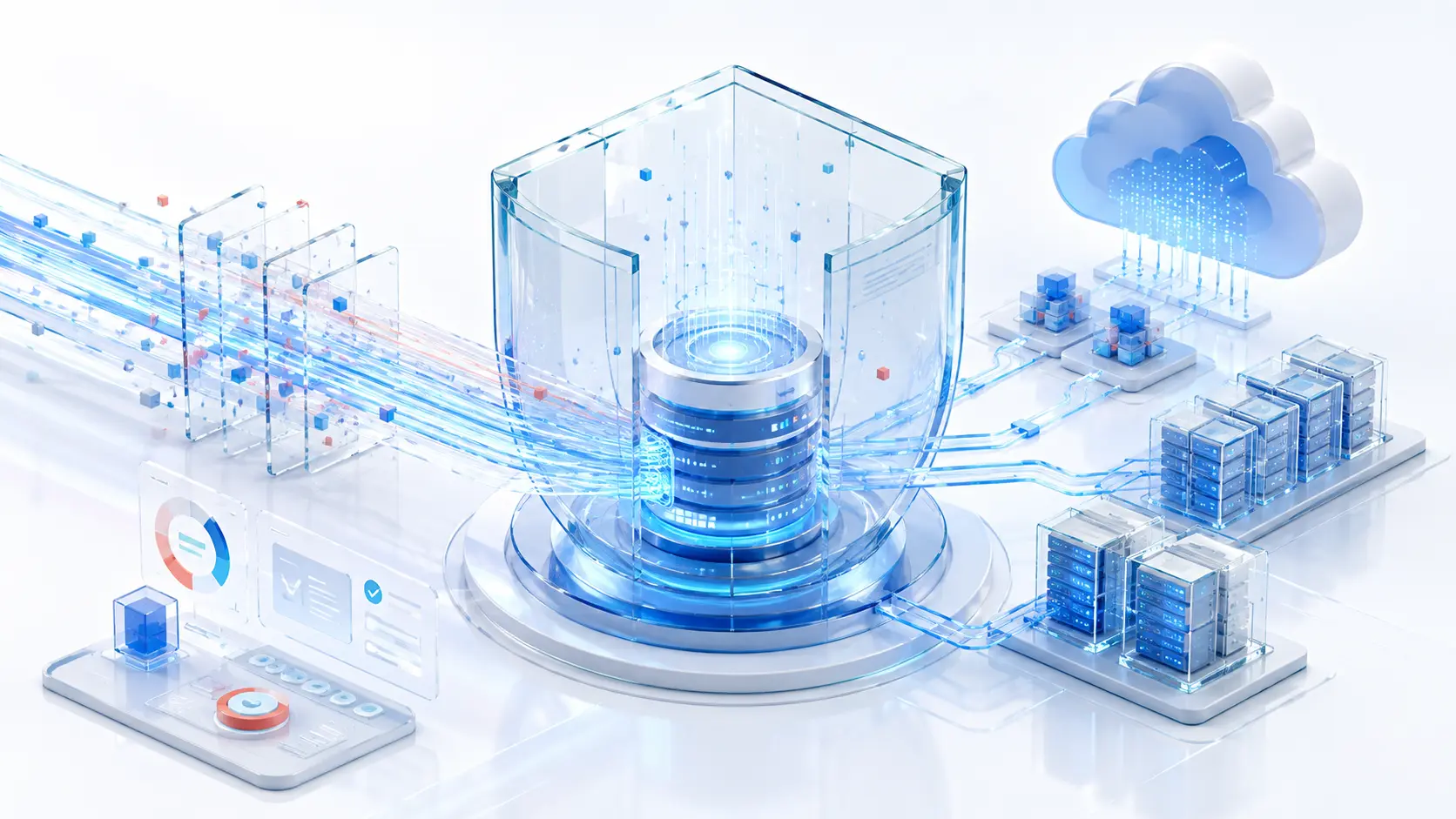
A scalable product must handle growth without multiplying infrastructure spend unpredictably. Usage limits, caching, queueing and observability help teams balance speed, resilience and commercial sustainability.
Launch begins the test, monitoring and improvement cycle
Automated tests reduce regressions, while production monitoring reveals behaviour that cannot be fully reproduced in development. Recovery procedures and backups must be tested, not merely documented.
Human oversight is a layer of accountability
Generated code can be convincing and still be wrong. Expert review connects technical output to security, law, business context and the consequences of failure.
The Ventum approach: AI-assisted, engineering-controlled delivery
We use AI to accelerate exploration and repetitive work while keeping architecture, experience, testing and release decisions under expert control. The goal is not the highest feature count, but a secure product that solves the right problem and keeps improving.
The advantage is not simply using AI; it is turning AI into a secure, measurable and sustainable production system.