

Green energy and digital branding: how to communicate sustainability
Credible sustainability communication relies on clearly scoped claims, verifiable evidence and consistent governance — not simply a green visual language.
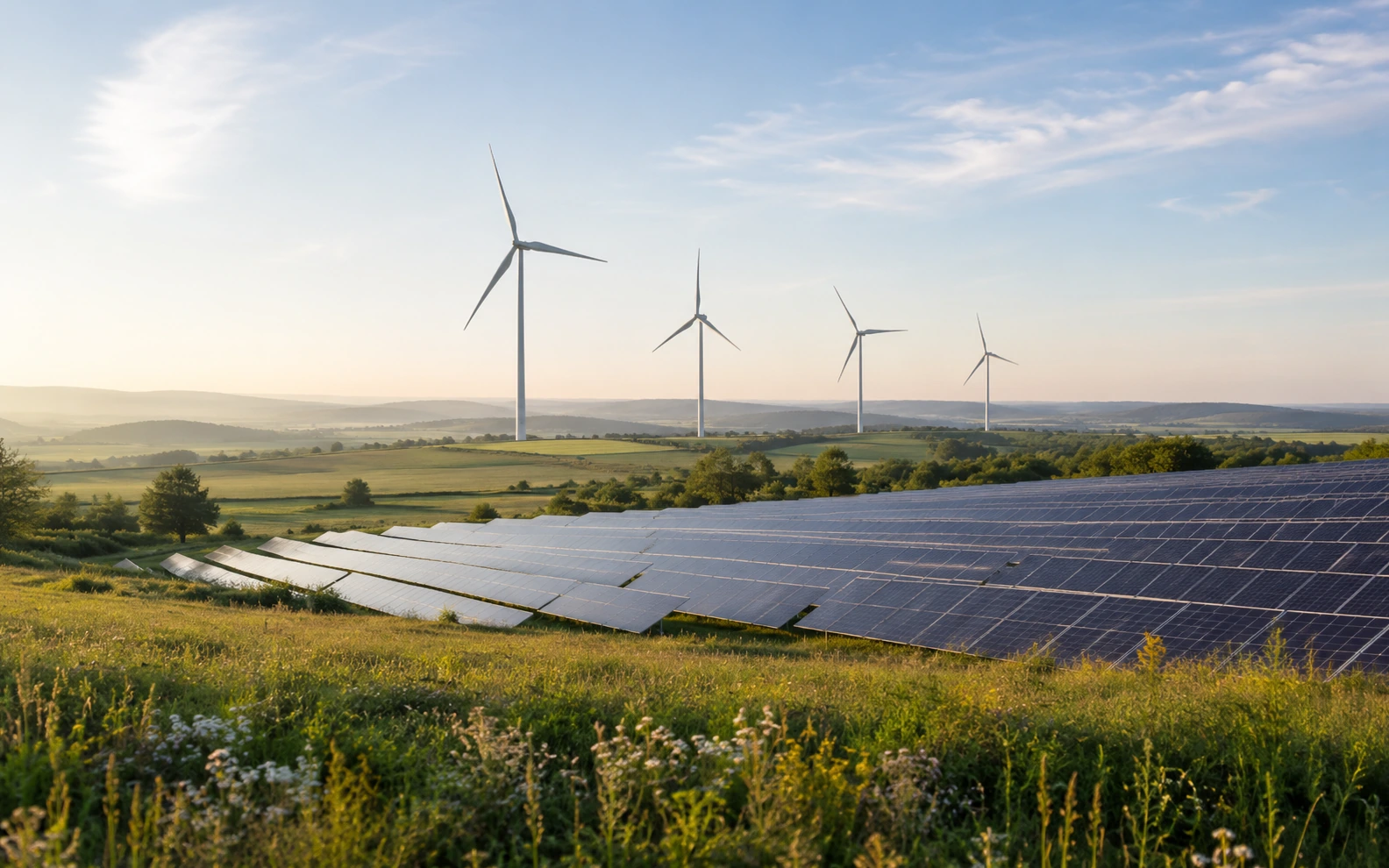
Sustainability communication must be verifiable
Audiences increasingly expect brands to explain what a claim covers, which period it refers to and what evidence supports it. Visual cues cannot replace transparent definitions.
The strongest sustainability brand is not the one with the biggest claim, but the one that shows its scope and evidence most clearly.
Define the scope before making the claim
Teams should distinguish between a facility, product, business unit and the whole organisation, and avoid allowing a limited improvement to imply a broader outcome.

Renewable-energy claims should be traceable
Source, volume, period and certificate or contractual evidence should connect energy production or procurement to the statement presented to the public.

Renewable energy use and carbon neutrality are not the same
Carbon claims require defined organisational boundaries, emissions categories, reduction activity and transparent treatment of residual emissions.
Simplifying data must not remove context
Good communication explains scale, methodology and limitations in language people can understand without turning uncertainty into certainty.
The visual language should extend beyond green
Real assets, field teams, technologies, communities and measurable progress create a more distinctive and credible narrative than generic nature imagery.
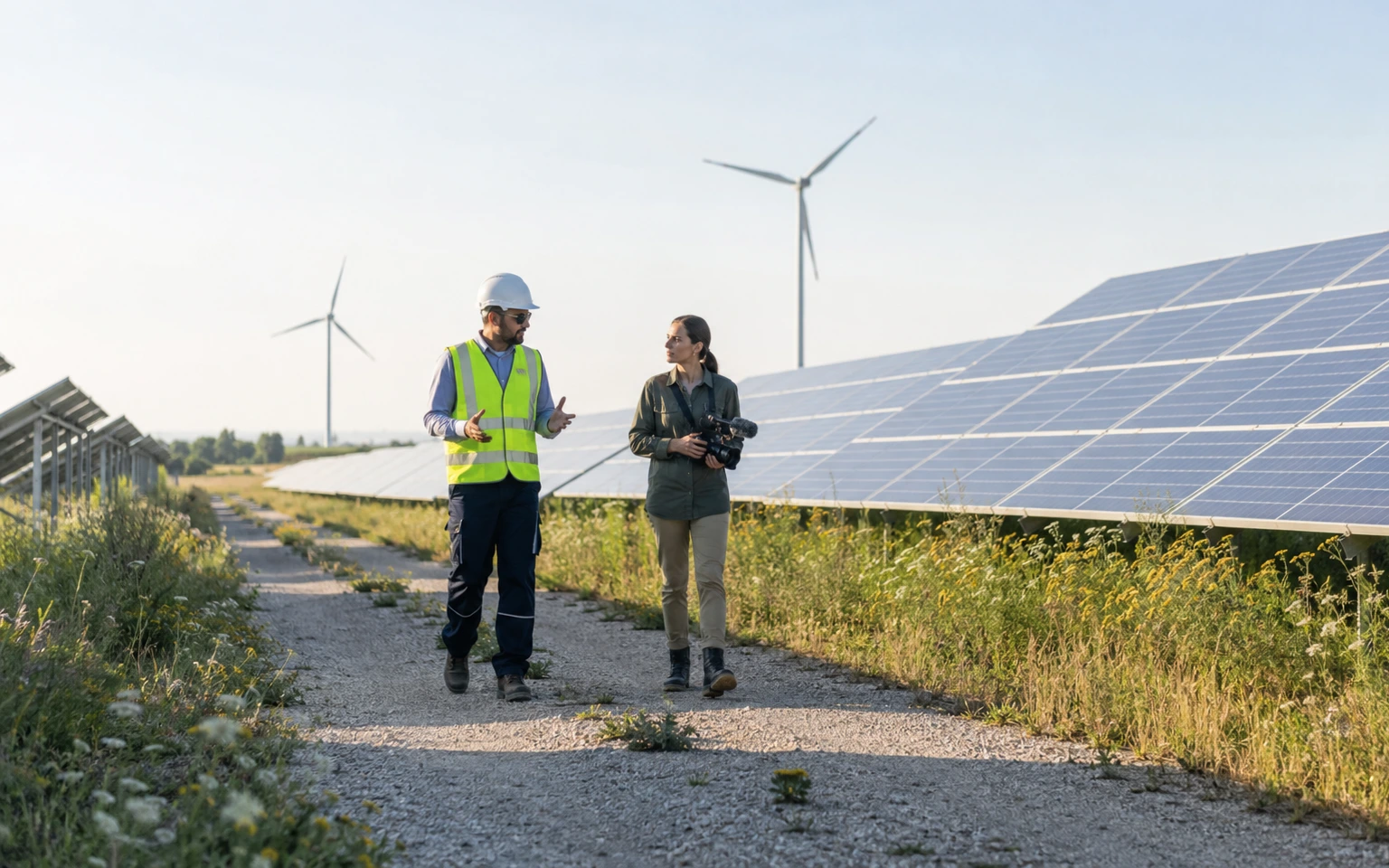
Do not leave sustainability to special-day posts
A consistent editorial rhythm can show projects, evidence, operational learning and long-term progress throughout the year.
Measure the quality of trust, not reach alone
Useful questions, stakeholder understanding, credible references and sustained engagement reveal more than impressions by themselves.